
Mastering the Art of How to Test Oud Oil

Oud oil is a highly valued natural product derived from the resinous heartwood of Aquilaria trees. Its rarity and unique fragrance make it one of the most expensive oils in the world. However, the market is flooded with adulterated or synthetic versions, making it essential to know how to test oud oil properly. This guide provides clear, practical steps to help you identify authentic oud oil and avoid counterfeit products.
Understanding the Basics of How to Test Oud Oil
Before diving into testing methods, it is important to understand what oud oil is and why it is so valuable. Oud oil forms when Aquilaria trees become infected with a specific mold. The tree produces a dark, fragrant resin as a defense mechanism. This resin is then extracted and distilled to produce oud oil.
The quality of oud oil depends on several factors:
The age of the tree
The type of infection
The region where the tree grows
The distillation process
Knowing these factors helps you appreciate why testing is necessary. Authentic oud oil has a complex aroma profile that is difficult to replicate. It also has physical properties that can be measured and observed.
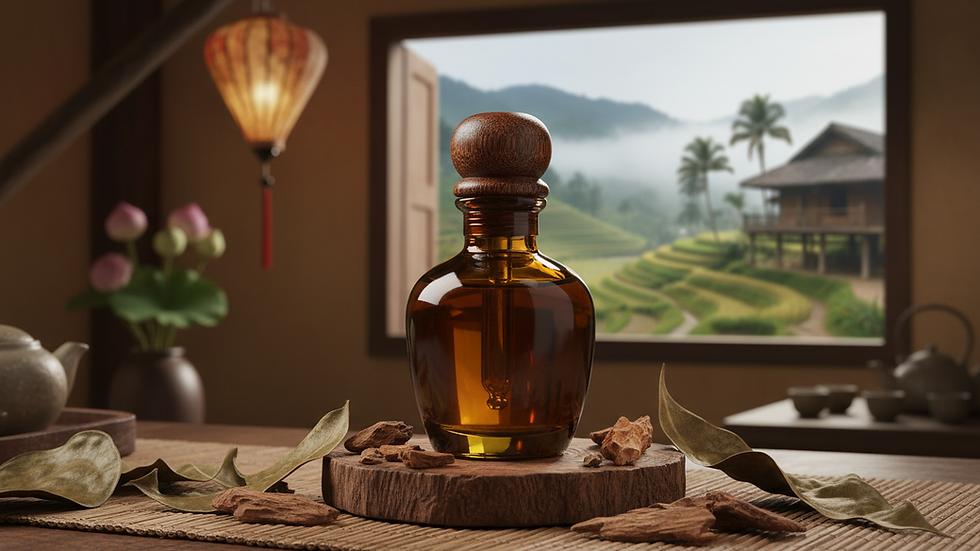
Practical Methods on How to Test Oud Oil
Testing oud oil involves a combination of sensory evaluation and simple physical tests. Here are some reliable methods you can use:
1. Visual Inspection
Look at the color and clarity of the oil. Authentic oud oil usually has a dark brown to black color. It should not be too clear or too light. Some high-quality oils may have a slightly oily or sticky texture.
2. Smell Test
The aroma is the most important indicator. Genuine oud oil has a rich, woody, and slightly sweet scent with hints of earthiness and spice. Synthetic or diluted oils often smell sharp, chemical, or overly sweet.
3. Water Test
Place a drop of oud oil in a glass of water. Authentic oud oil will not dissolve or mix with water. It will float on the surface or form droplets. If the oil dissolves or disperses quickly, it may be adulterated.
4. Burn Test
Put a small amount of oud oil on a cotton wick and light it. Genuine oud oil burns slowly and produces a pleasant, lingering fragrance. Fake oils may burn quickly or produce an unpleasant smell.
5. Paper Test
Apply a drop of oud oil on a piece of white paper. Authentic oud oil will leave a dark stain that does not evaporate quickly. Synthetic oils may leave no mark or evaporate rapidly.
These tests are simple but effective for initial screening. For more precise results, laboratory analysis is recommended.
Chemical and Laboratory Testing for Oud Oil
For businesses and serious buyers, chemical testing provides definitive proof of authenticity. These tests analyze the chemical composition of the oil to detect adulterants or synthetic compounds.
Gas Chromatography-Mass Spectrometry (GC-MS)
GC-MS separates the components of oud oil and identifies their chemical structure. Authentic oud oil has a unique profile of sesquiterpenes and other compounds. This test can detect dilution or substitution with cheaper oils.
Fourier Transform Infrared Spectroscopy (FTIR)
FTIR measures the infrared absorption of the oil. It provides a fingerprint that can be compared to known authentic samples. This method is fast and non-destructive.
Density and Refractive Index Measurement
These physical properties vary between genuine and fake oils. Measuring density and refractive index helps confirm the purity of the sample.
Authentic Oud Oil Test Resources
You can find more detailed information and resources on how to perform an authentic oud oil test to ensure you are purchasing genuine products.

Tips for Buying and Storing Oud Oil
Knowing how to test oud oil is only part of the process. You also need to buy from reputable sources and store the oil properly to maintain its quality.
Buying Tips
Purchase from trusted suppliers with transparent sourcing.
Request certificates of analysis if available.
Avoid deals that seem too good to be true.
Check for proper packaging and labeling.
Storage Tips
Store oud oil in dark glass bottles to protect from light.
Keep the bottles tightly sealed to prevent oxidation.
Store in a cool, dry place away from direct sunlight.
Avoid exposure to air and moisture.
Proper storage preserves the oil’s aroma and extends its shelf life.
Final Thoughts on How to Test Oud Oil Effectively
Mastering how to test oud oil requires attention to detail and a combination of sensory and scientific methods. By applying the practical tests described here, you can confidently assess the authenticity of oud oil. For businesses, investing in chemical analysis ensures the highest standards of quality control.
Using these methods helps maintain the integrity of the oud oil market and supports suppliers who provide genuine, high-quality products. This knowledge is essential for anyone involved in buying, selling, or using oud oil.
By following these guidelines, you contribute to the preservation of this precious natural resource and uphold the reputation of premium Agarwood products worldwide.


Comments